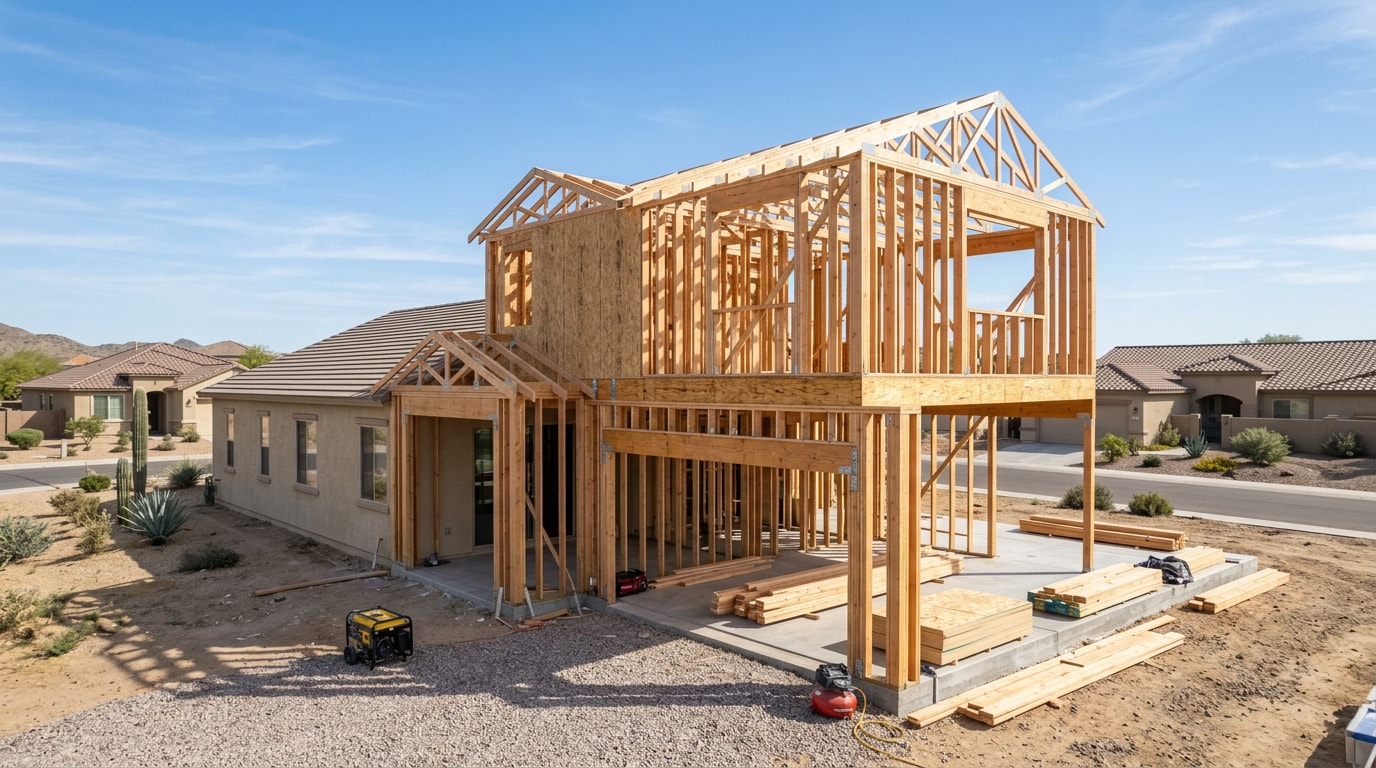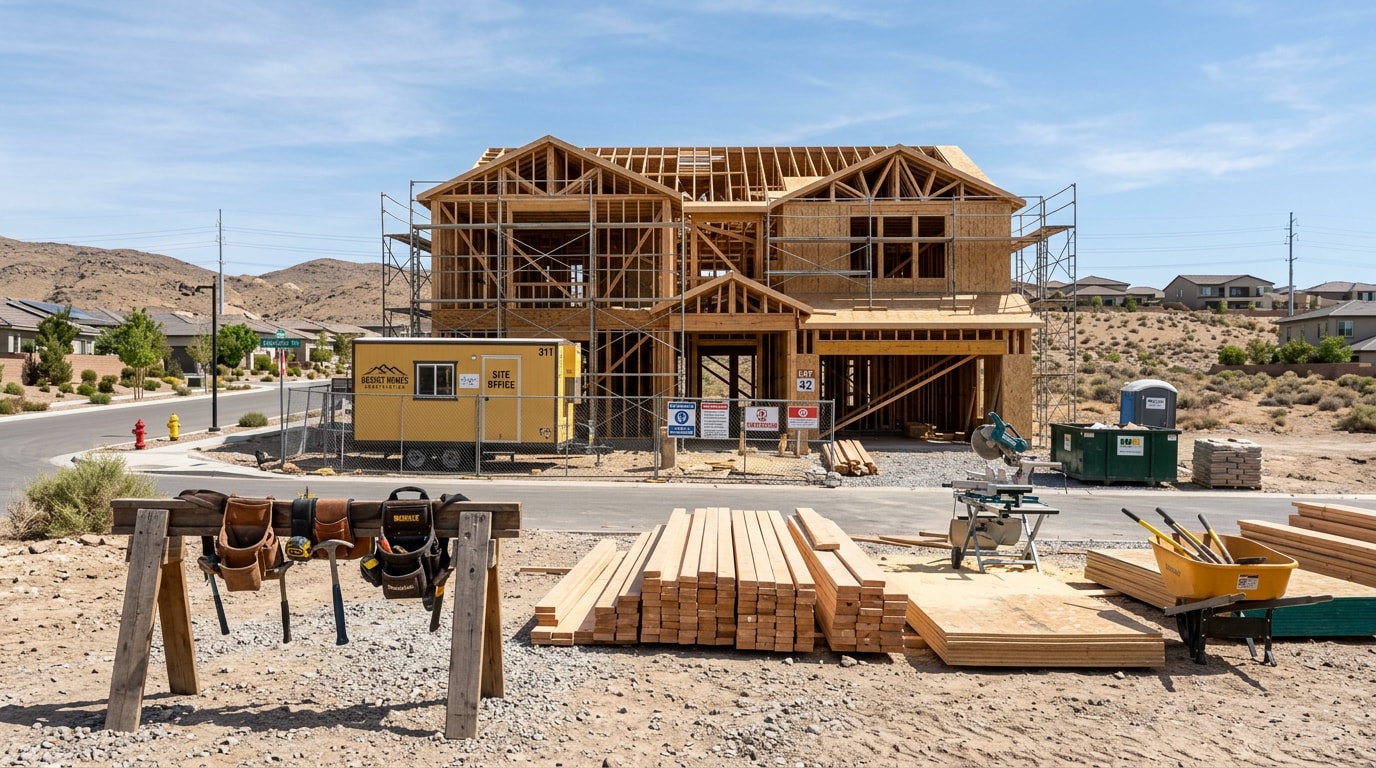
Foreman vs superintendent in Henderson, NV comes down to one question: does this person run a crew, or do they run the whole site? Mixing up the two titles on a jobsite causes reporting breakdowns, scheduling conflicts, and hiring mistakes that cost real money. This guide breaks down the scope, pay, and authority differences so you hire the right role the first time.
The Short Answer
A foreman runs a crew, a superintendent runs the site. The foreman supervises one trade or team and focuses on daily production and quality within that scope. The superintendent oversees every trade, every phase, and the overall schedule across the entire project. That single distinction explains nearly every other difference between the two roles.
Foreman vs Superintendent: The Key Differences
| Dimension | Foreman | Superintendent |
|---|---|---|
| Scope of responsibility | One crew or trade | Entire jobsite, all trades |
| Daily priority | Crew output, quality checks | Scheduling, coordination, inspections |
| Reporting structure | Reports to the superintendent | Reports to project manager/owner |
| Decision-making authority | Trade-level decisions | Site-wide decisions, resequencing |
These differences aren't about one role being "better." A foreman's authority is deep but narrow. A superintendent's authority is broad but relies on the foremen underneath them to execute it well.
Why This Difference Matters More Than Most Hiring Managers Think
Hiring the wrong title isn't a paperwork issue. When a company brings on a superintendent to do crew-level work, or asks a foreman to coordinate trades they have no authority over, reporting lines break down and milestones slip.
In more than a decade of building custom homes, additions, and remodels across Henderson and the rest of Clark County, we've seen this mismatch stall framing and inspection schedules on projects that never clearly assigned one person to own site-wide coordination. The fix is almost always the same: scope the job to the actual need before posting it.
National demand for construction supervisors has stayed strong. Construction managers plan, coordinate, budget, and supervise construction projects from start to finish.
The lowest 10 percent earned less than $69,690, and the highest 10 percent earned more than $189,440. Getting the role scoped correctly the first time saves a costly re-hire.
What Does a Foreman Do on a Construction Site?
A foreman manages one crew or trade, assigns the day's tasks, checks completed work against the plans, and enforces safety rules within that crew. Foremen report progress and problems up to the superintendent, acting as the bridge between hands-on labor and overall site management.
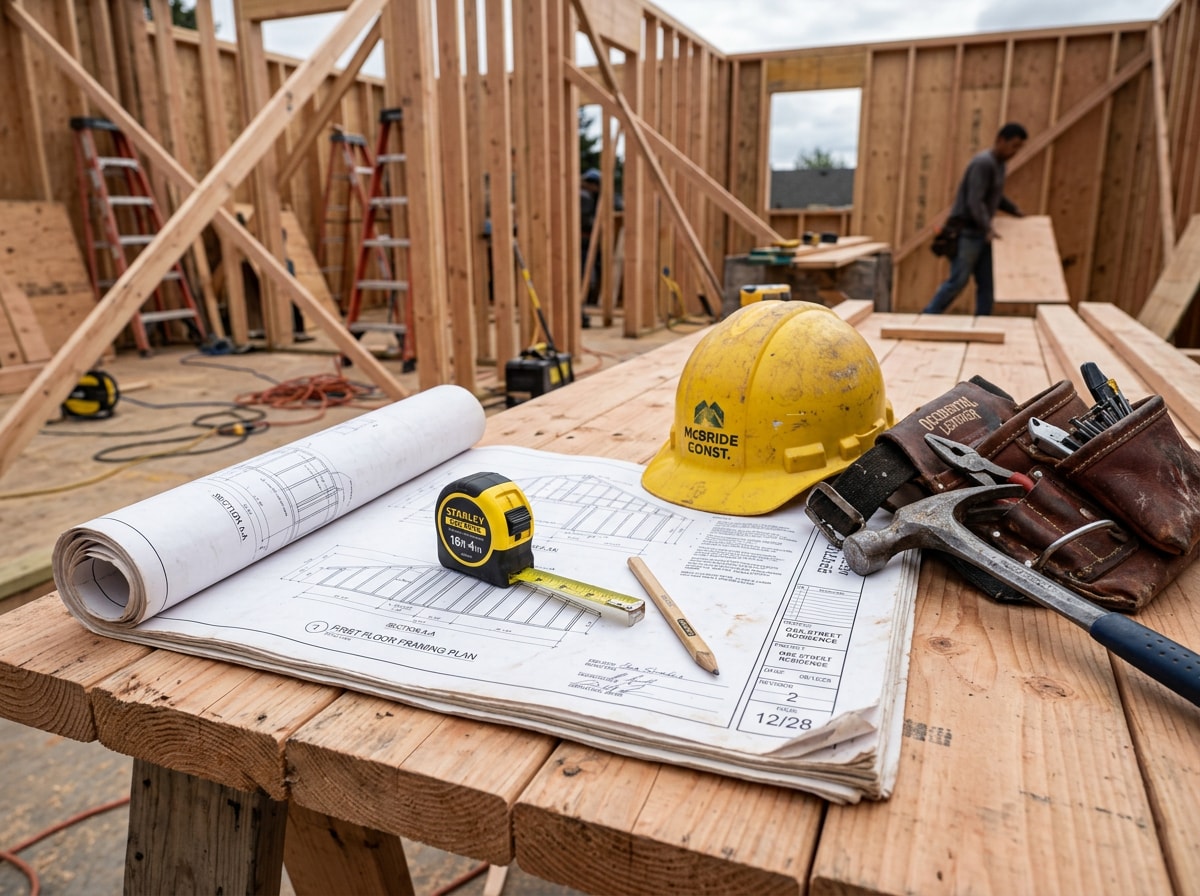
Most foremen come up through a trade, moving from apprentice to journeyman before stepping into a leadership role. Foremen often rise to their position after apprenticing and working in a trade like carpentry or drywall, and they frequently move to a position of leadership because of natural competencies in management. That hands-on background is exactly why foreman duties lean so heavily on technical know-how.
Foreman responsibilities also include tracking materials for their crew, flagging safety hazards specific to their trade, and keeping daily output on pace. If your project is a kitchen remodel, a bathroom renovation, or a deck build, a strong working foreman is often all the field leadership you need. See how we scope those projects on our Kitchen and Bath Remodeling page or Deck and Patio Builder page.
What Does a Superintendent Do in Construction?
A superintendent coordinates every trade and subcontractor on the project, not just one crew. Although the superintendent is technically higher in the chain of command than a foreman, the two need to respect each other's skills and knowledge, since foremen generally have specialized trade expertise and hands-on crew knowledge, while superintendents have a bird's-eye-view of everything happening on site.
Schedule ownership is arguably the superintendent's biggest responsibility. If a delivery is late or a subcontractor falls behind, the superintendent has to resequence the whole project to keep the finish date intact.
Nevada also puts a regulatory layer on this that most national guides skip entirely. Nevada runs its own OSHA-approved state plan rather than deferring to federal OSHA, and Nevada goes further than many state plans by requiring standardized safety training in construction, and these requirements are among the provisions that most often catch employers off guard because an employer who keeps a worker on the job without the required training card must suspend or terminate that worker. In practice, that means Henderson-area superintendents and foremen both need OSHA-10 or OSHA-30 cards on file, not just a recommendation to take the course someday. You can review the specifics under NRS Chapter 618.
On the safety-program side, many superintendents structure their site-wide program around the federal framework too. The Recommended Practices are designed to be used in a wide variety of small and medium-sized business settings and present a step-by-step approach to implementing a safety and health program, built around seven core elements. You can read the full OSHA Recommended Practices for Safety and Health Programs in Construction directly from the source.
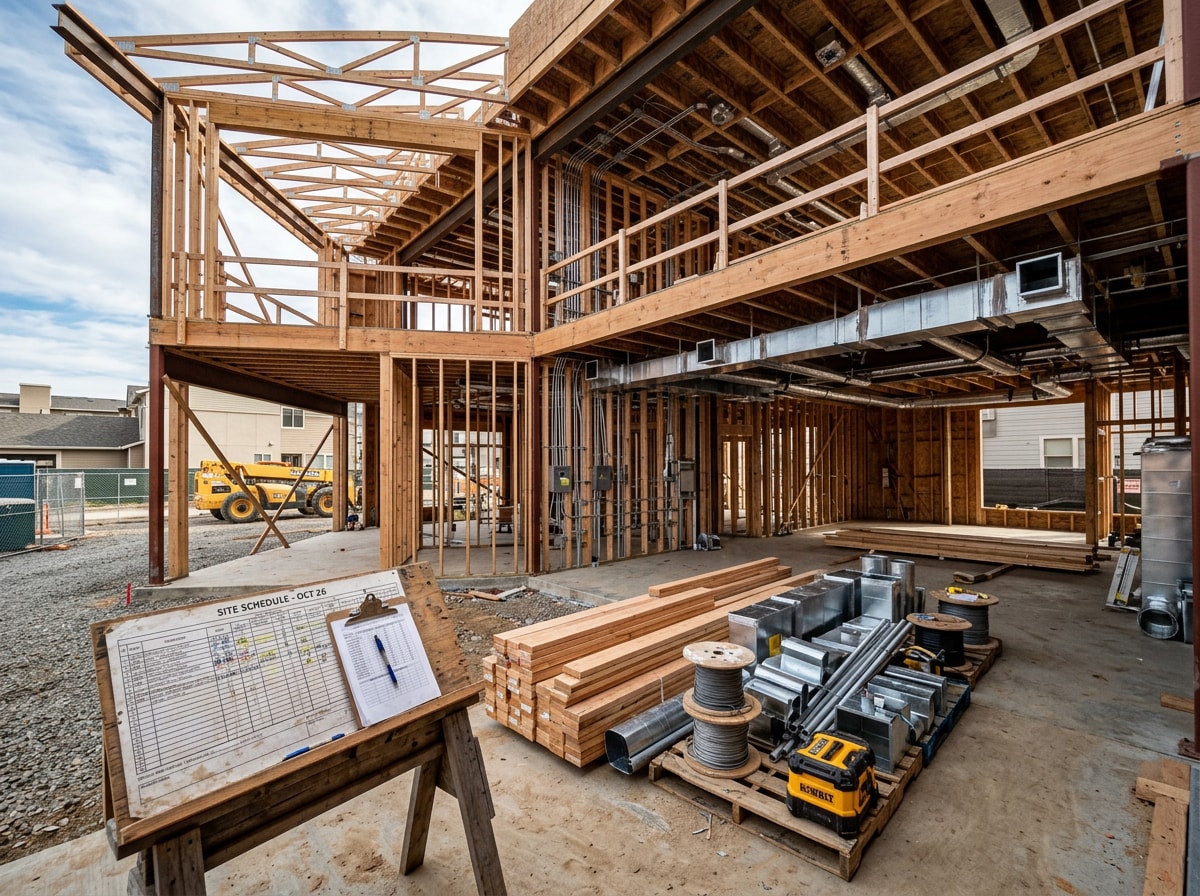
Common Misconceptions About Foreman and Superintendent Roles
The line between these two roles looks blurry from the outside, which is exactly why misconceptions about construction job titles stick around.
They perform the same work. Both roles spend time on-site handling deliveries and watching crew safety, so from a distance they can look identical. But a construction foreman directly manages workers, while a construction superintendent oversees the entire site, and superintendents focus on budgets, schedules, and overall project management.
They manage the same people. This one's incorrect. Superintendents oversee many other supervisors, including foremen, while foremen most commonly oversee only workers who don't manage others, since a superintendent's responsibility is over the entire life cycle of a project while a foreman's is limited to a specific scope of work.
They aren't tech-savvy. Field leaders get stereotyped as paper-and-clipboard types, but both roles increasingly rely on scheduling and documentation software to track progress and flag issues in real time.
When the Wrong Role Gets Hired
Here's a common scenario: a company posts a "superintendent" opening, but the project really needs someone hands-on, directing one crew and solving trade-specific problems. They hire a superintendent-level candidate who's used to managing the big picture, not swinging a hammer, and the fit falls apart within weeks.
The reverse happens too. A strong foreman gets promoted into a superintendent role without multi-trade coordination experience, and schedule conflicts pile up. Scoping the job correctly before posting it prevents this kind of mismatch and the turnover that follows. If you're not sure which role your Henderson project needs, get a free estimate and we'll walk through the scope with you before you post a job or sign a contract.
Who Has More Authority on a Construction Site?
The superintendent holds broader authority on a jobsite. They can resequence work, resolve conflicts between trades, and control who has site access. A foreman's authority is narrower but often deeper, since they may know more about the technical details of their specific trade than the superintendent does.
In practice, the two roles depend on each other. Chain of command flows from superintendent to foreman, but field decision-making often works best when the superintendent trusts the foreman's trade expertise rather than overriding it.
The Pay Gap, and What It Really Reflects
Pay follows responsibility, and federal wage data backs that up clearly.
| Role | BLS Occupational Category | 2025 Median Annual Wage |
|---|---|---|
| Foreman / crew-level supervisor | First-Line Supervisors of Construction Trades (SOC 47-1011) | $79,920 |
| Superintendent-level / site manager | Construction Managers (SOC 11-9021) | $114,990 |
Median wages (2025) for First-Line Supervisors of Construction Trades and Extraction Workers were $38.42 hourly, $79,920 annual. On the superintendent side, the 2025 median pay for construction managers was $114,990 per year, or $55.28 per hour.
There's no separate federal occupation code specifically labeled "superintendent," so wage researchers typically track that role under the Construction Managers classification instead. Henderson-area wages can run above or below these national figures depending on project type and current demand, so treat this table as a baseline, not a local guarantee.
How Do You Move Up From Foreman to Superintendent?
Promotion typically goes to the foreman who can think past their own crew's scope and show they can coordinate across multiple trades. The jump from foreman to superintendent is the most significant transition in the career path because you stop managing a single trade and start managing a project, and contractors who promote into this role are looking for foremen who already think like superintendents, who see the whole job, not just their scope.
OSHA 30 training is commonly expected somewhere along the way. In Nevada, it isn't just a nice-to-have resume line. State law ties OSHA-10 and OSHA-30 completion directly to who is legally allowed to stay on a construction site in a supervisory role.
The general career path looks like this: trade apprentice, then journeyman, then foreman, then assistant superintendent, then superintendent. On larger commercial projects there's sometimes a general foreman layer in between, where a senior tradesperson manages multiple foreman crews across different areas of the project before stepping up further.
Do You Need a Foreman, a Superintendent, or Both?
If the pain point is one trade's production or quality, the fix is usually a stronger foreman. If the pain point is full-site coordination, sequencing, or inspections, the fix is a superintendent.
On smaller residential projects around Henderson, a working foreman often covers both roles at once. Think kitchen remodels, bathroom renovations, or a single deck or patio cover build. Larger builds typically need a dedicated superintendent managing multiple foremen across trades:
- New custom home construction — multiple trades, long timelines, heavy inspection load
- Home additions and full remodels — overlapping structural, electrical, and finish trades
- ADU, casita, and guest house builds — site logistics plus multiple permit inspections
- Commercial tenant improvements — compressed schedules with several subs working at once
If your Henderson project falls into any of those larger categories, read our related guide on new custom built homes in Henderson, NV for a closer look at how staffing scales with project size. For anything in between, our General Contractor services team can tell you in one conversation whether your project needs a foreman, a superintendent, or both.
FAQ
What is the difference between a foreman and a superintendent?
A foreman leads a specific crew or trade and focuses on daily production, safety, and quality within that scope. A superintendent oversees the entire site, coordinating all trades and phases of the project from start to finish.
Is a superintendent higher than a foreman?
Yes. The superintendent sits above the foreman in the field chain of command. This reflects site-wide accountability versus crew-level accountability, not a difference in skill or trade knowledge.
Can a foreman become a superintendent?
Yes, and it's a common path. It usually requires several years of trade experience, OSHA safety training, and often a stint as assistant superintendent to build multi-trade coordination skills first.
What is higher than a superintendent in construction?
Above a superintendent sits roles like general superintendent, which oversees multiple projects, or construction manager and operations manager positions, which handle company-wide scheduling, budgeting, and staffing decisions.
Does Nevada require safety training for foremen and superintendents?
Yes. Nevada runs its own state OSHA plan and requires standardized OSHA-10 or OSHA-30 training for construction workers and supervisors under state law. Employers who keep an untrained worker on site in a supervisory role risk having to suspend or terminate that worker.
How much do foremen and superintendents earn in the Henderson, NV market?
National data puts foreman-level pay at a median of roughly $79,920 a year and superintendent-level (construction manager) pay at a median of roughly $114,990 a year. Henderson and Clark County wages can run above or below those national figures depending on project type, demand, and the specific company.
Ready to staff your next Henderson project correctly the first time? Get a free estimate from our team, or visit our homepage to see the full range of residential and commercial work we handle across Henderson and Clark County.
---
About the author: This guide was prepared by the Fairless Homes construction team, licensed general contractors serving Henderson, Las Vegas, North Las Vegas, Boulder City, and the rest of Clark County, NV. Our field leadership staffs both foreman and superintendent roles across new home builds, remodels, additions, and ADU construction. Questions about your project? Contact us directly.