Civil engineering contractors in North Las Vegas, NV handle two very different jobs: designing a site's grading, drainage, and utility layout, and physically building that infrastructure once permits clear. Confusing the two costs homeowners and developers weeks of schedule delay every year. This guide breaks down who does what, what the city actually requires before you break ground, and how to keep your project out of permit limbo.
What Civil Engineering Contractors Do in North Las Vegas
Most site-work scope in the valley breaks into four categories, usually handled in sequence under a single contract.
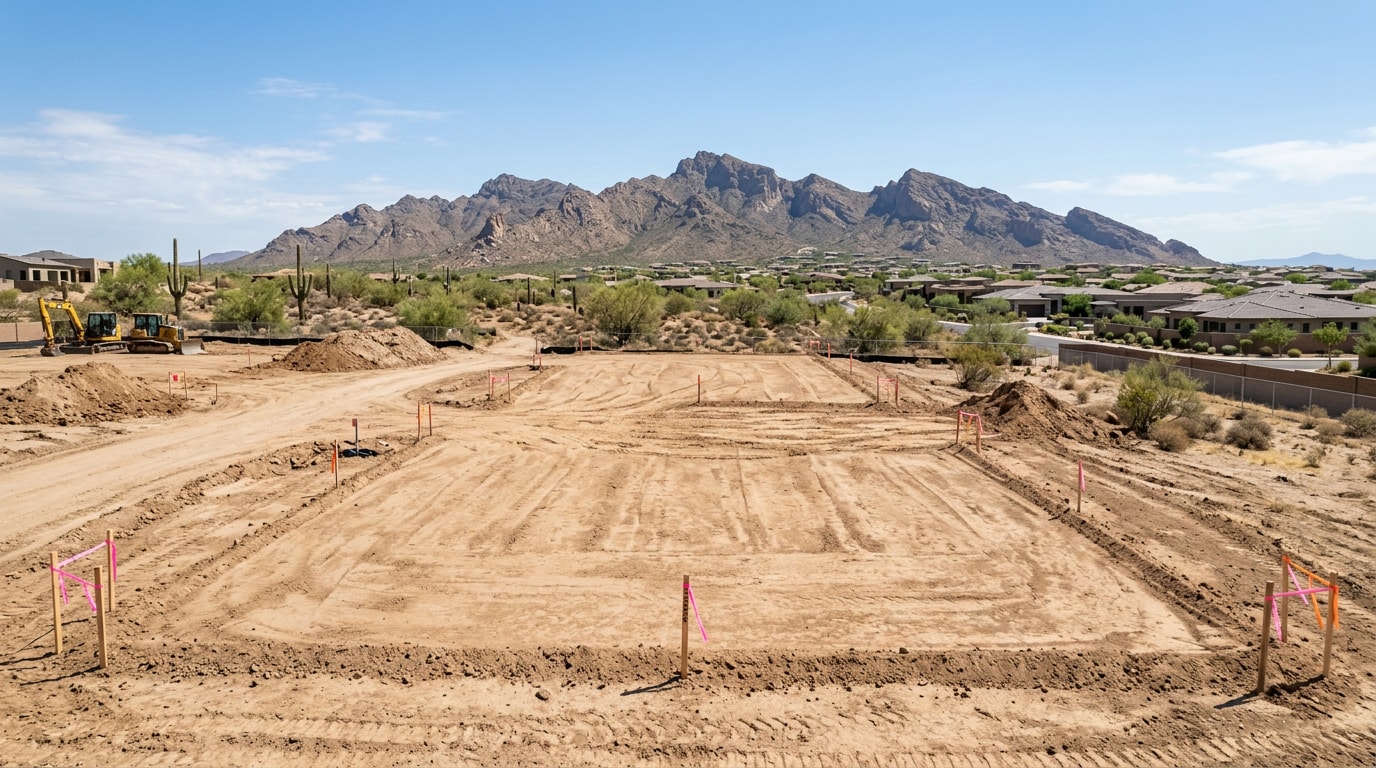
- Grading — cut-and-fill earthwork that balances soil on site to create a level building pad.
- Utility installation — wet utilities (water, sewer, storm drain) and dry utility sleeving for power and communications.
- Paving — new streets, parking lots, patching, and mill-and-overlay resurfacing.
- Demolition — clearing existing structures or pavement ahead of new construction.
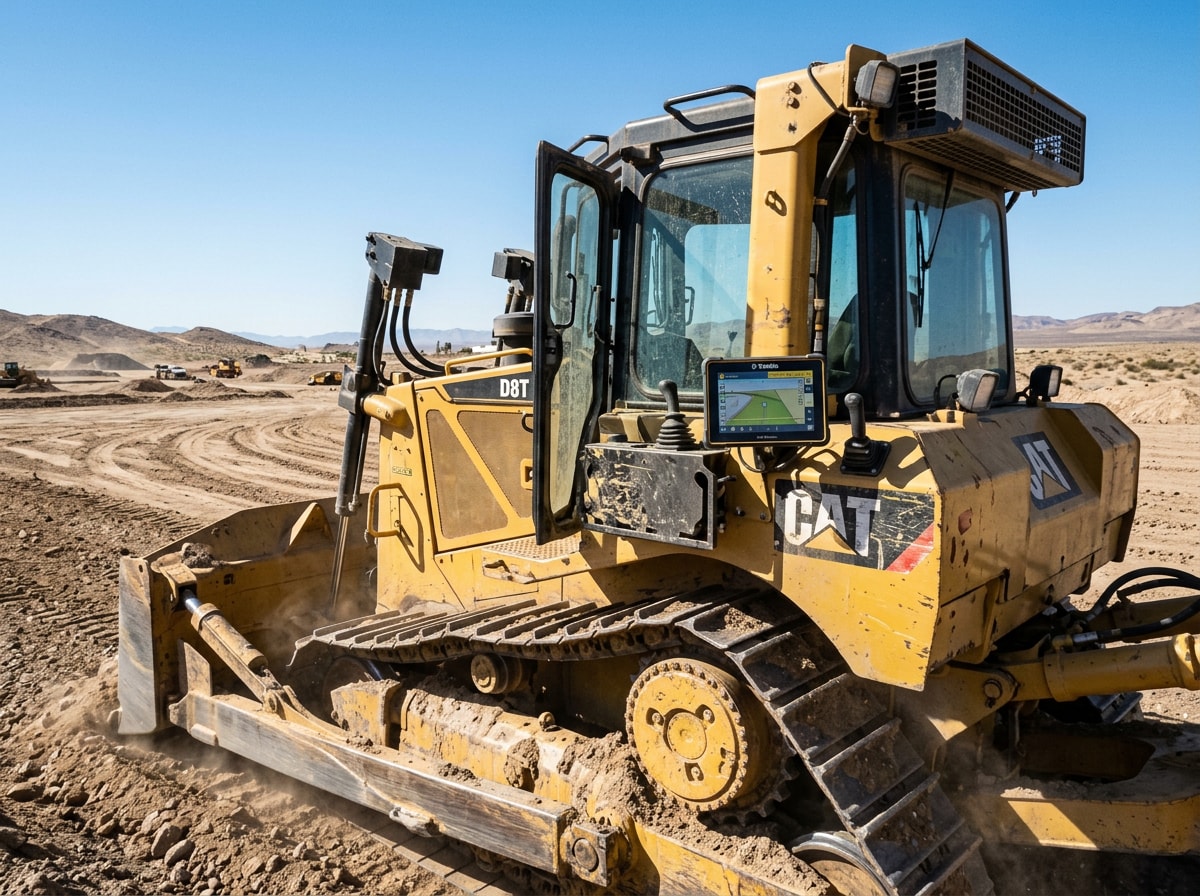
Crews increasingly use GPS machine control instead of stakes-and-string layout, which tightens cut-and-fill volumes and cuts the trucking fees that come from hauling extra material on or off a site. For a full breakdown of related trades, see our general contractor services.
Civil Engineer vs. Structural Engineer vs. General Contractor
These three roles get confused constantly, but each has a distinct scope on the same project.
Civil engineers handle site planning, drainage and grading design, utility layouts, and roadway design. This is stamped, licensed work. Nevada does not issue temporary licenses, and you must be licensed to offer or provide engineering in the state , so always confirm a firm's credentials with the Nevada State Board of Professional Engineers and Land Surveyors before relying on stamped plans.
Structural engineers focus on the load-bearing framework of buildings and foundations, not site grading or utilities. It's a related but separate discipline.
General contractors build what the engineer designs, coordinate subcontractors and inspections, and carry the project through to a certificate of occupancy. On residential projects, a GC who understands civil requirements (not just framing and finishes) catches conflicts between the site plan and the building design before they become change orders.
Land Development Engineering: Feasibility, Due Diligence & Drainage
Before any grading begins, a feasibility study examines zoning, utility availability, and site constraints so a developer or homeowner isn't surprised mid-project. This due-diligence phase functions as an early risk check, flagging problems while they're still cheap to fix on paper.
A drainage study models how stormwater moves across and off a site, supporting the design decisions needed for approval. In North Las Vegas, single-lot home construction plot and grading plans are reviewed by the Public Works Department to ensure compliance with City Municipal Code Titles 13, 16, and 17, along with Clark County Area Standard Drawings and the Master Plan of Streets and Highways . That review applies to custom homes and additions, not just large commercial parcels.
Permitting in North Las Vegas: What Triggers a Grading or Civil Permit
Permit requirements depend on what's disturbed on the site, not just the size of the building. Here's the basic breakdown:
| Permit Type | Issued By | What Triggers It |
|---|---|---|
| Grading Permit | North Las Vegas Public Works | Any cut, fill, or soil disturbance on a lot |
| Civil Improvement Plans | Public Works Engineering | New construction, offsite improvements, drainage changes |
| Building Permit | Building Safety Division | Structure construction, additions, ADUs |
| NOI / SWPPP | Nevada Division of Environmental Protection | Sites tied to the federal Construction General Permit |
Public Works issues grading and off-site construction permits and administers the city's floodplain and environmental programs to help ensure sustainable, compliant development . On the federal side, the EPA's Construction General Permit authorizes stormwater discharge from construction sites that disturb one acre or more of land, or from smaller sites that are part of a larger common plan of development , and requires operators to implement stormwater controls and develop a Stormwater Pollution Prevention Plan to limit sediment and pollutants in runoff .
In our own experience managing additions and ADU builds across North Las Vegas, the single biggest schedule killer isn't the grading work itself, it's submitting the stockpile or SWPPP paperwork late. Get those documents in front of Public Works during design, not after the pad is cut.
How Site Work Fits Your Project Timeline
A typical civil engagement runs through a predictable sequence:
- Feasibility review and due diligence
- Design development (grading, drainage, utility plans)
- Agency review and permitting
- Grading, utility, and paving construction
- Inspections and sign-off
- Vertical construction coordination
An owner's representative walking the site through each of these stages catches problems before they turn into stop-work orders. Our Clerk of the Works guide for Clark County covers that oversight role in more depth if you're managing a larger build.
Choosing the Right Partner for Site-Ready Construction in North Las Vegas
Civil engineering firms design the plan. You still need a general contractor who can build to that plan without re-litigating the drainage study every other week. Look for a team that:
- Has a track record across project types, not just one niche
- Is familiar with North Las Vegas Public Works and Building Safety review cycles
- Can show you completed local projects, not just renderings
Fairless Homes builds new custom homes, home additions, and accessory dwelling units across North Las Vegas, Las Vegas, and Clark County, and we coordinate directly with civil engineers and the city on grading and drainage requirements so your site work and your construction schedule stay in sync. See our full residential construction scope, or visit our homepage for a complete service list.
Ready to talk through your site? Get a Free Estimate and we'll walk your lot before you commit to a design.
FAQ
What does a civil engineering contractor do in North Las Vegas?
Civil engineering contractor services typically include grading, utility installation, paving, demolition, drainage design, and permitting support for commercial and residential sites.
How much does civil engineering or site work cost in North Las Vegas?
Cost varies widely by site size, soil conditions, and utility distance. Get a site-specific estimate rather than relying on a per-square-foot average; grading and drainage costs can swing a project budget more than finish-level choices do.
What's the difference between a civil engineer and a general contractor?
A civil engineer designs the site plan, drainage, and grading. A general contractor builds it in the field, coordinates subcontractors, and carries the project through inspections.
Do I need a civil engineer for a home addition or ADU?
Most additions and ADUs in North Las Vegas still require reviewed grading or drainage plans if they disturb soil or change how water moves across the lot. Check with North Las Vegas Public Works before finalizing a design.
How long does grading permit approval take in North Las Vegas?
Timelines depend on plan complexity and whether a Notice of Intent under the state's Construction General Permit is required. Submitting stockpile and stormwater paperwork early, during design rather than after excavation starts, avoids the most common delays.
Can one contractor handle design, permitting, and construction together?
Some firms operate as full-service civil contractors, handling design, permitting, and construction phases under one contract. More often, a civil engineer designs the plan and a general contractor executes it, coordinating closely through each permit stage.