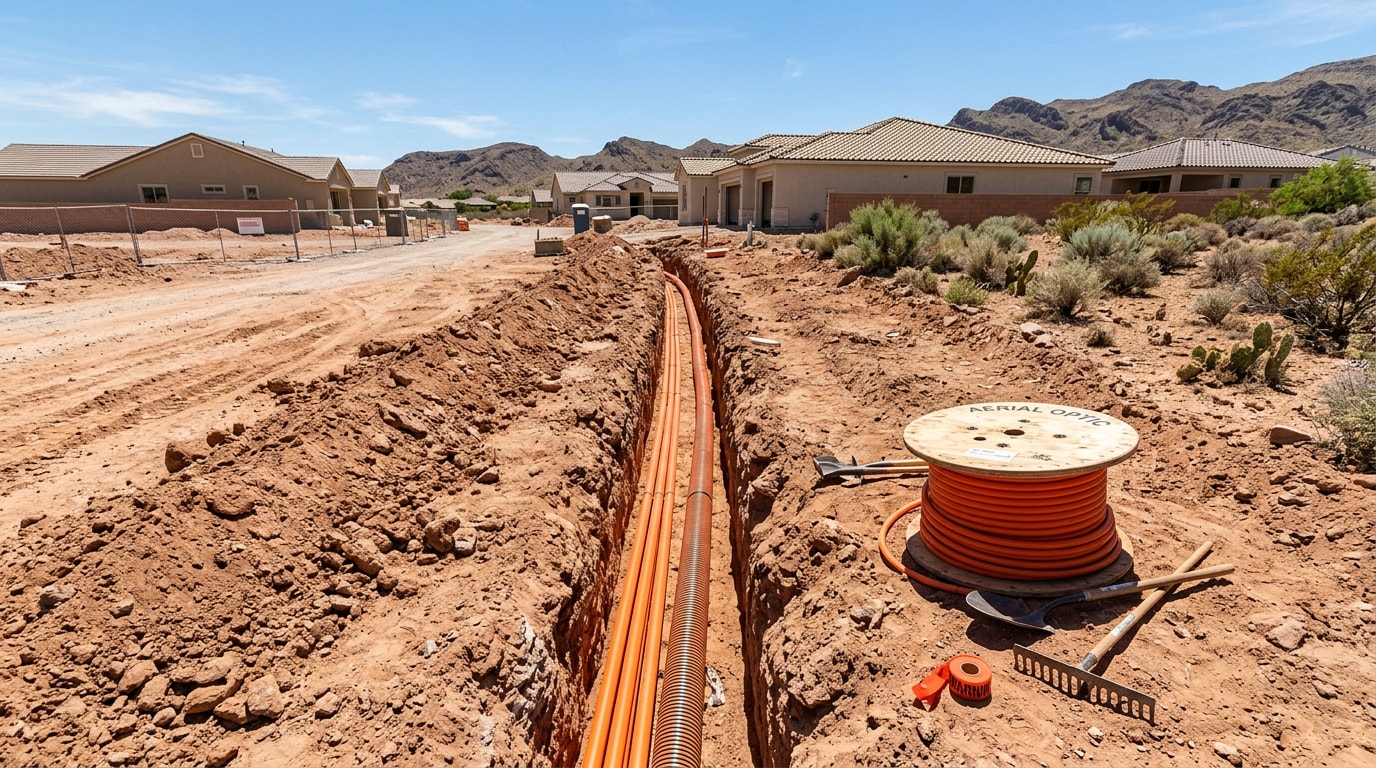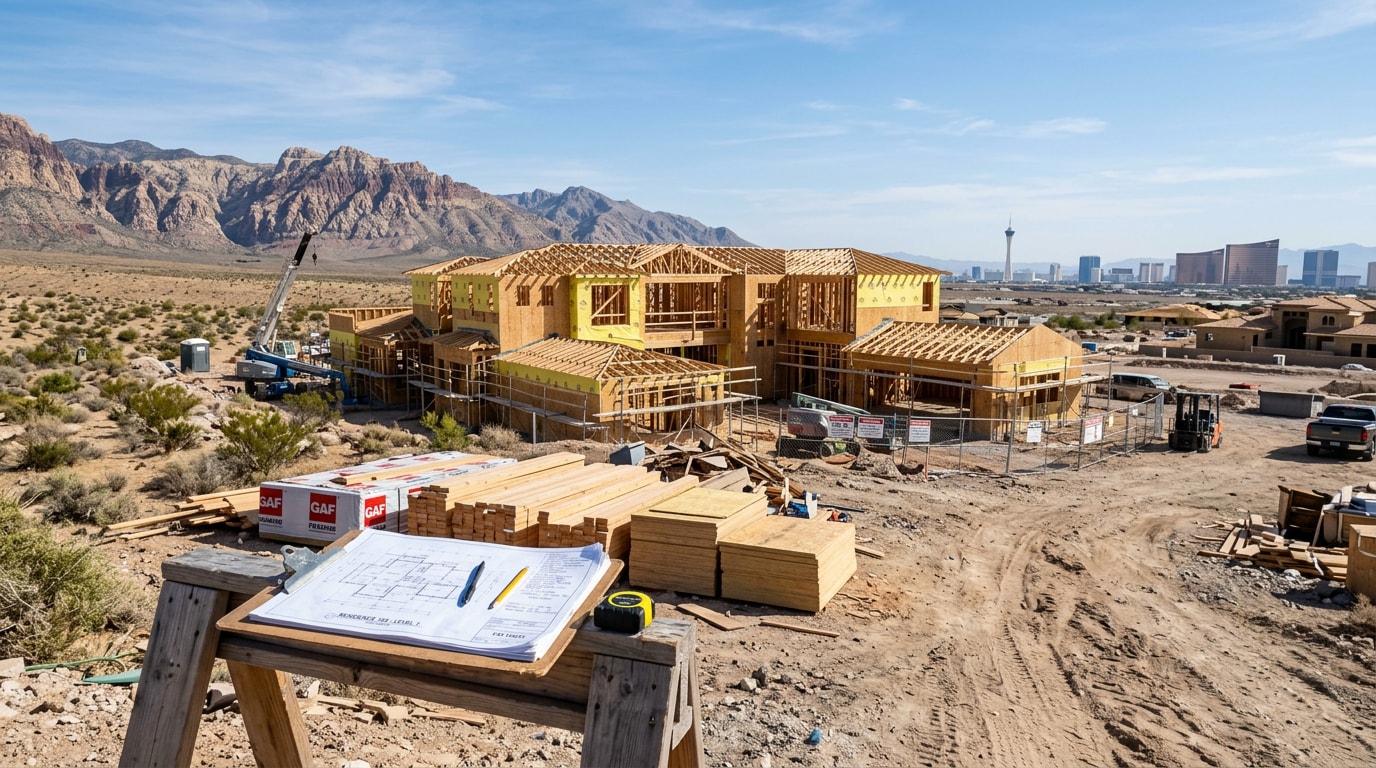
A clerk of the works in Clark County, NV works for you, not your contractor, tracking every detail of the job against the approved plans from groundbreaking through final walkthrough. Strip resort expansions, master-planned subdivisions, and custom home builds are all competing for the same trades right now, and that's exactly when quality slips through unnoticed. This guide breaks down what the role covers, what it costs, and when it actually makes sense for a Clark County project.
What Does a Clerk of the Works Do?
A clerk of the works is a dedicated quality-control presence stationed on site to monitor whether the work matches the approved drawings, specifications, and schedule. This position is dedicated to quality assurance, ensuring that the quality of both materials and workmanship are in alignment with the design information such as specification and engineering drawings, in addition to recognized quality standards. The person in this role doesn't swing a hammer. They verify that the people who do are following the plan, and they answer to the owner alone.
The daily routine centers on observation and paperwork. A clerk of the works maintains a thorough familiarity with project drawings, specifications, schedule, and owner's requirements. That record becomes the project's memory if a dispute ever surfaces later. A typical daily log covers:
- Personnel and subcontractors present on site
- Equipment and material deliveries
- Weather conditions affecting the schedule
Construction activities, test results, and inspections completed or scheduled
- Any deviation from the approved drawings or specs
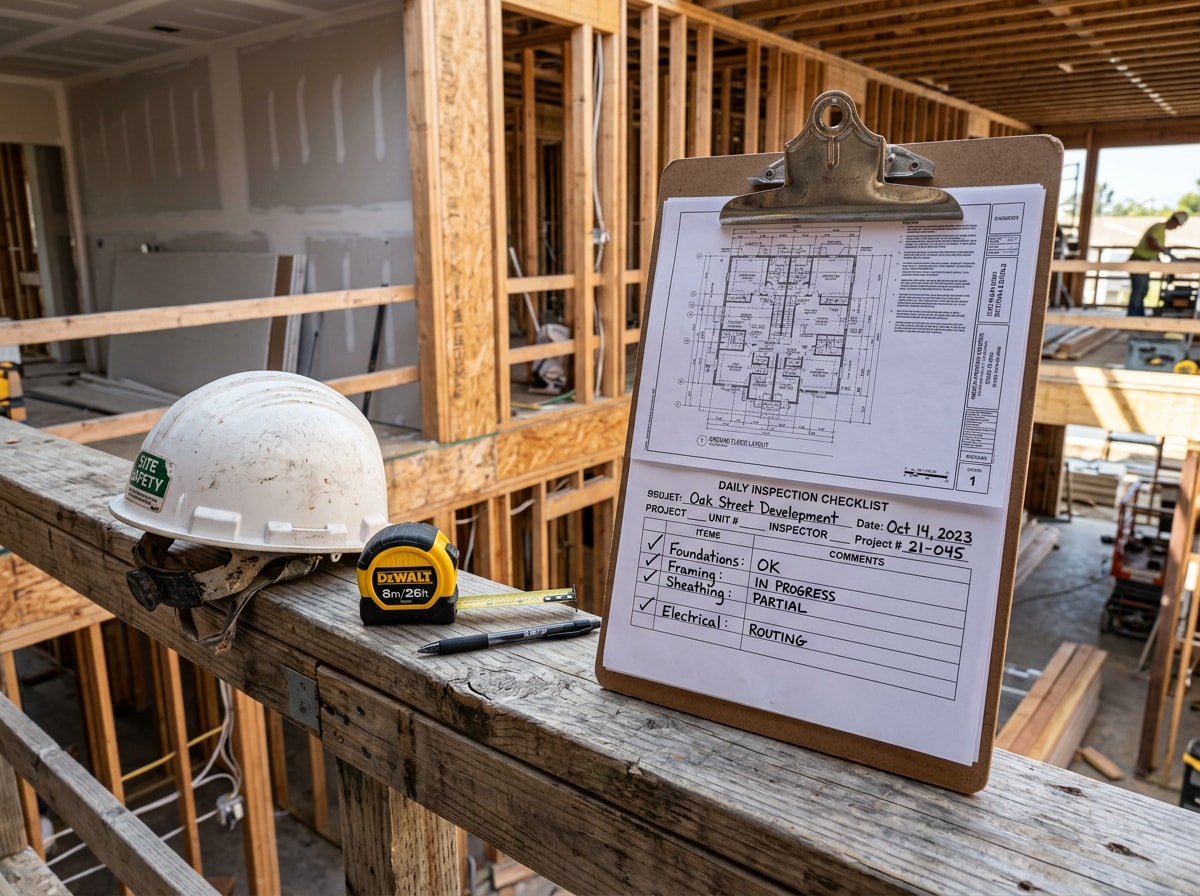
Formally, the role exists to represent the client's interests. The role is primarily to represent the interests of the client in regard to ensuring that the quality of both materials and workmanship are in accordance with the design information such as specification and engineering drawings, in addition to recognised quality standards. That's an important distinction for Clark County projects specifically.
A clerk of the works isn't a substitute for a county building permit inspector, either. The county inspector checks code compliance at scheduled milestones. A clerk of the works is on site continuously, working for the owner's interests rather than the jurisdiction's. If you want a sense of how much construction activity is actually happening across the valley right now, our Clark County, NV service area page covers the projects we see most often in Henderson, Las Vegas, and North Las Vegas.
Why Hire a Clerk of the Works for a Las Vegas Project?
The pitch is straightforward: a clerk of the works acts as the owner's eyes and ears on site, working to keep the project on spec and on budget. Instead of relying solely on the contractor's self-reporting, the owner gets an independent party with no incentive to gloss over problems. The clerk of works is independent from the main contractor and reports directly to the client or owner.
On our own remodels and additions around Henderson and Las Vegas, we've noticed the projects that benefit most from this kind of oversight are the ones with multiple trades stacked on a tight schedule, where a missed detail on day 12 doesn't show up as a problem until day 40. An independent set of eyes catches that gap early, before it's buried behind drywall.
A good clerk of the works brings several concrete benefits once they're on site full time:
Maximizes value for money and provides an experienced, impartial, and independent perspective
Enforces project team accountability and minimizes project risks through thoughtful review of design and material selection
Reduces project delays by promoting right-first-time initiatives to avoid rework and double handling
Reinforces project transparency through concise, regular reporting
It helps to see how the role actually stacks up against two titles people often confuse it with:
| Role | Who they work for | Primary focus | Decision authority |
|---|---|---|---|
| Clerk of the Works | Project owner | Daily quality and progress monitoring, reporting | Reports findings; typically no contract authority |
| Owner's Representative | Project owner | Full-project advocacy: budget, schedule, contracts | Can act or decide on the owner's behalf |
| Construction Manager | Contractor team or owner (CM-at-risk) | Means, methods, schedule, cost control | Manages trades and sequencing directly |
On a mid-size Clark County commercial build or a custom residential project, these roles sometimes overlap or get combined into one hire. On larger developments, owners often use all three together.
Where the Clerk of the Works Title Came From
The title traces back roughly to 13th-century Britain. Experienced tradesmen with knowledge and understanding of the building process were employed by the architect on behalf of the project owner, or by local authorities to oversee public works projects, and this role was coined "Clerk of Works." Over time it shifted from a clergy-driven role toward one filled by experienced tradespeople, and that trade-based expertise is still the backbone of the job today.
In many cases, the traditional title has been discarded to comply with modern trends, such as site inspector, architectural inspector, and quality inspector, but the requirement for the role remains unchanged since the origins of the title. In the UK, where the role originated, it's formally written into standard contract forms. The role is defined in standard forms of contract such as those published by the Joint Contracts Tribunal (JCT). Practitioners there can pursue credentials through the Institute of Clerks of Works and Construction Inspectorate, known as ICWCI, which is the professional body that supports quality construction through inspection.
A similar concept exists on the architect's side of American contracts. The American Institute of Architects publishes G711, the Architect's Field Report, which helps the architect or the architect's project representative become generally familiar with the progress and quality of completed work and determine whether it is being performed in a manner indicating that it will be in accordance with the contract documents. You can review the AIA's official summary of the G711 field report form to see how formal field representation is documented on institutional and commercial projects.
Nevada Licensing and What to Check Before You Hire
Nevada has no licensing body for "clerk of the works" specifically. There's no state exam or registry under that exact title. That doesn't mean qualifications don't matter; it means owners need proxy signals instead:
- A verifiable trade background: electrical, mechanical, structural, or similar
- Current OSHA safety training
- Project experience on comparable Clark County work: hospitality, multifamily, industrial, or custom residential
- Working familiarity with Nevada contractor licensing rules
That last point matters more than it sounds. The Nevada State Contractors Board is committed to ensuring the integrity and professionalism of the construction industry in Nevada and has the responsibility to promote quality construction by Nevada licensed contractors through a regulatory licensing system designed to protect the health, safety and welfare of the public. Any clerk of the works, consultant, or owner's rep you bring onto a project should know how to verify a contractor's standing with the Nevada State Contractors Board before work starts, not after a dispute.
On cost: there's no single published rate for clerk of the works consulting fees in Clark County, since they're usually structured per project rather than as a salaried role. For context, the median annual wage for construction and building inspectors, the closest tracked federal occupation, was $74,690 in May 2025 , according to the Bureau of Labor Statistics. A third-party clerk of the works consultant typically bills differently, as a project-duration fee rather than an annual salary, so treat that wage figure as a reference point, not a quote.
How a Clerk of the Works Fits Alongside Your General Contractor
A clerk of the works isn't a replacement for a licensed, insured general contractor. It's an added layer of independent verification, and it matters most on the projects with the longest trade sequences and the most room for something to get missed: new home builds, full-home remodels, home additions, and accessory dwelling units.
If you're planning a new home construction project, a full home remodel, or a home addition in Henderson, Las Vegas, or North Las Vegas, working with a general contractor who already documents progress closely reduces how much independent oversight you need layered on top. We cover similar ground in our guide to OSP construction in Henderson, NV, which walks through how permitting and inspection milestones work on larger Clark County builds.
If you're weighing whether you need a dedicated clerk of the works at all, get a free estimate and we'll walk through your scope, your schedule, and what level of oversight actually makes sense for your project.
FAQ
What does a clerk of the works do on a Las Vegas construction project?
They monitor the site daily, compare ongoing work against the approved drawings and specs, and report findings directly to the owner. They immediately report any concerns regarding material deliveries, material storage, or construction work to the construction manager, with additional notification to the owner, architect, or construction manager as appropriate. They don't perform the work themselves.
How much does hiring a clerk of the works cost in Clark County?
There's no published local rate card, since most clerks of the works are hired as project-based consultants rather than salaried staff. As a reference point, the median annual wage for construction and building inspectors nationally was $74,690 in May 2025, with the lowest 10 percent earning less than $47,140 and the highest 10 percent earning more than $114,200. Project consulting fees are structured differently and should be quoted against your specific scope and duration.
What is the difference between a clerk of the works and an owner's representative?
A clerk of the works mainly monitors and reports, tracking quality and progress without making decisions on the owner's behalf. An owner's representative typically holds broader authority to make calls on budget, schedule, and contract matters throughout the project. On smaller projects, one person sometimes fills both roles.
Is a clerk of the works the same as a building inspector?
No. A private clerk of the works works for the project owner throughout construction, watching for quality and schedule issues against the contract documents. A government building inspector performs code-compliance checks on behalf of the jurisdiction at specific inspection milestones, not continuous oversight.
Do you need a certified or licensed clerk of the works in Nevada?
There's no single Nevada state license called "clerk of the works," so requirements vary by firm rather than by statute. Confirm the individual has relevant trade experience, and confirm any associated contractors carry proper standing with the Nevada State Contractors Board, which handles licensing oversight and complaint records for construction work in the state.
Who typically hires a clerk of the works?
Owners and developers on projects large or complex enough to justify full-time independent oversight: hospitality and resort work, multifamily and master-planned development, institutional builds, and custom residential projects with tight, overlapping trade schedules. Smaller remodels and additions usually rely on the general contractor's own site supervision instead.
Ready to talk through oversight on your own project? Visit Fairless Homes or get a free estimate to start the conversation.