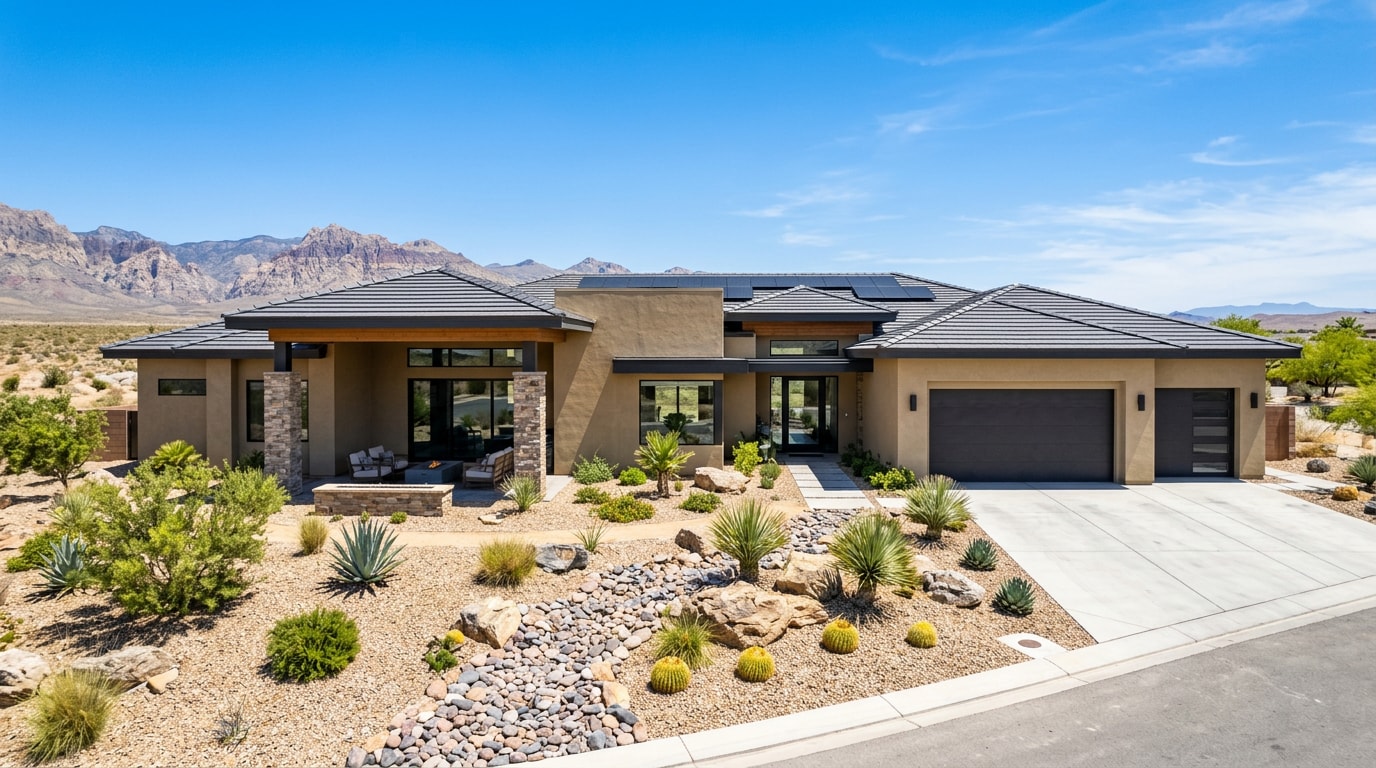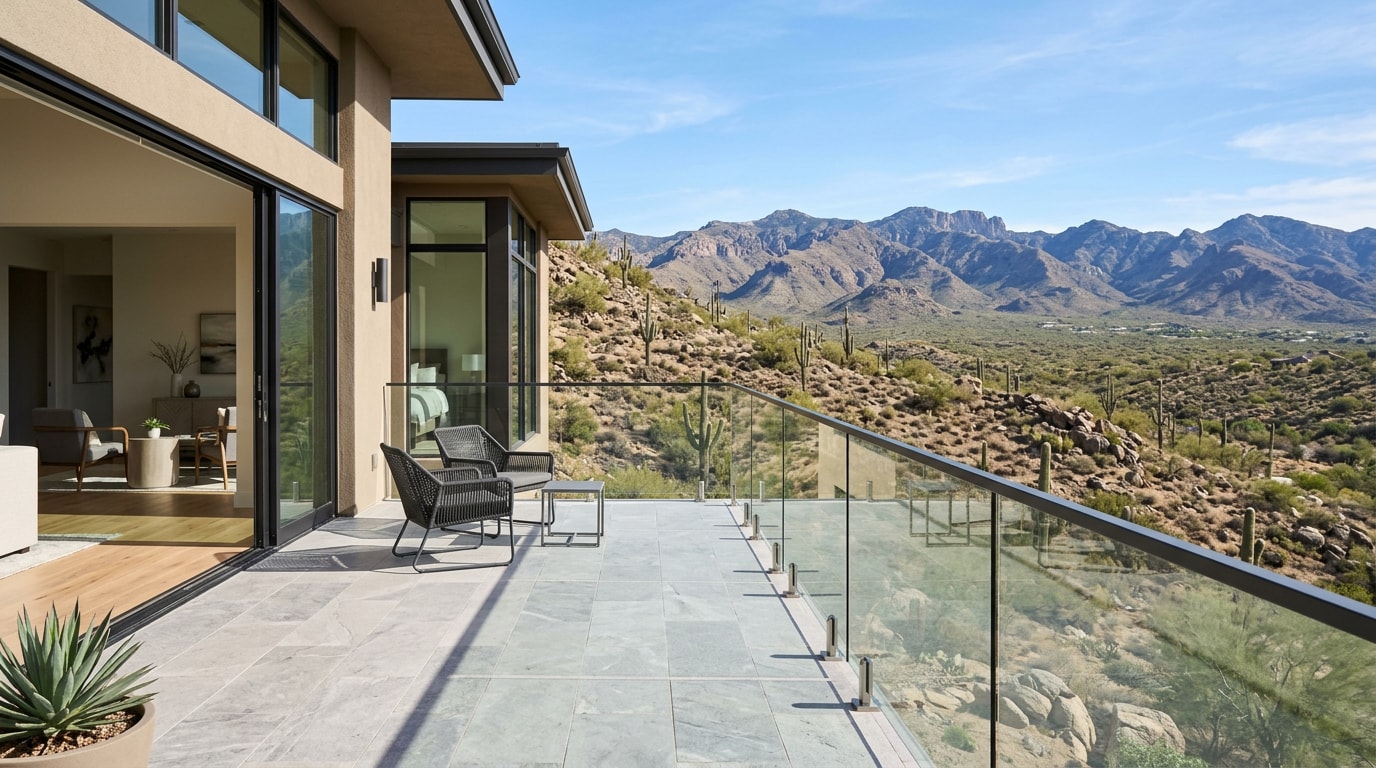
Balcony enclosures in Boulder City, NV turn an exposed ledge into a space you can actually use through blowing dust, wind off the lake, and 100-degree afternoons. This guide breaks down the five enclosure types homeowners choose, what the City of Boulder City requires before you build, and what each option costs in 2026. By the end, you'll know which system fits your balcony and your budget.
What Is a Balcony Enclosure?
A balcony enclosure is a system of glass, screen, mesh, or panel materials installed around an open balcony to create a protected, usable space. It converts an exposed ledge into a space that works year-round instead of just a few mild weeks each year.
This is different from a sunroom or a full patio cover, which typically involves a solid roof and permanent walls tied into the home's structure. A balcony enclosure works with the existing railing and floor footprint instead of replacing it. If you're weighing options for your property, our outdoor structure installation team can walk through what fits your home.
Types of Balcony Enclosures
Enclosure options range from inexpensive mesh screens to premium frameless glass. Which one makes sense depends on your budget, the local climate, and whether you want a full-time room or a seasonal upgrade.
Glass Enclosures
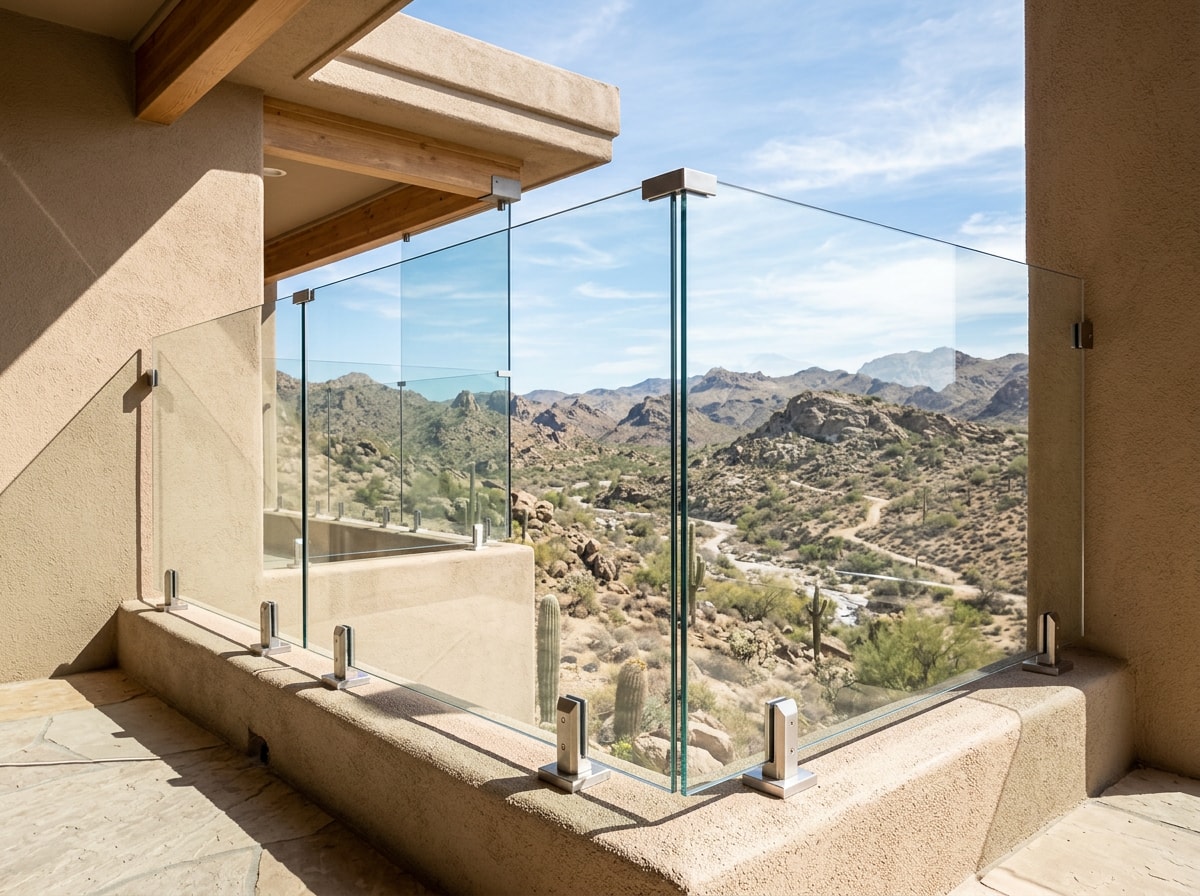
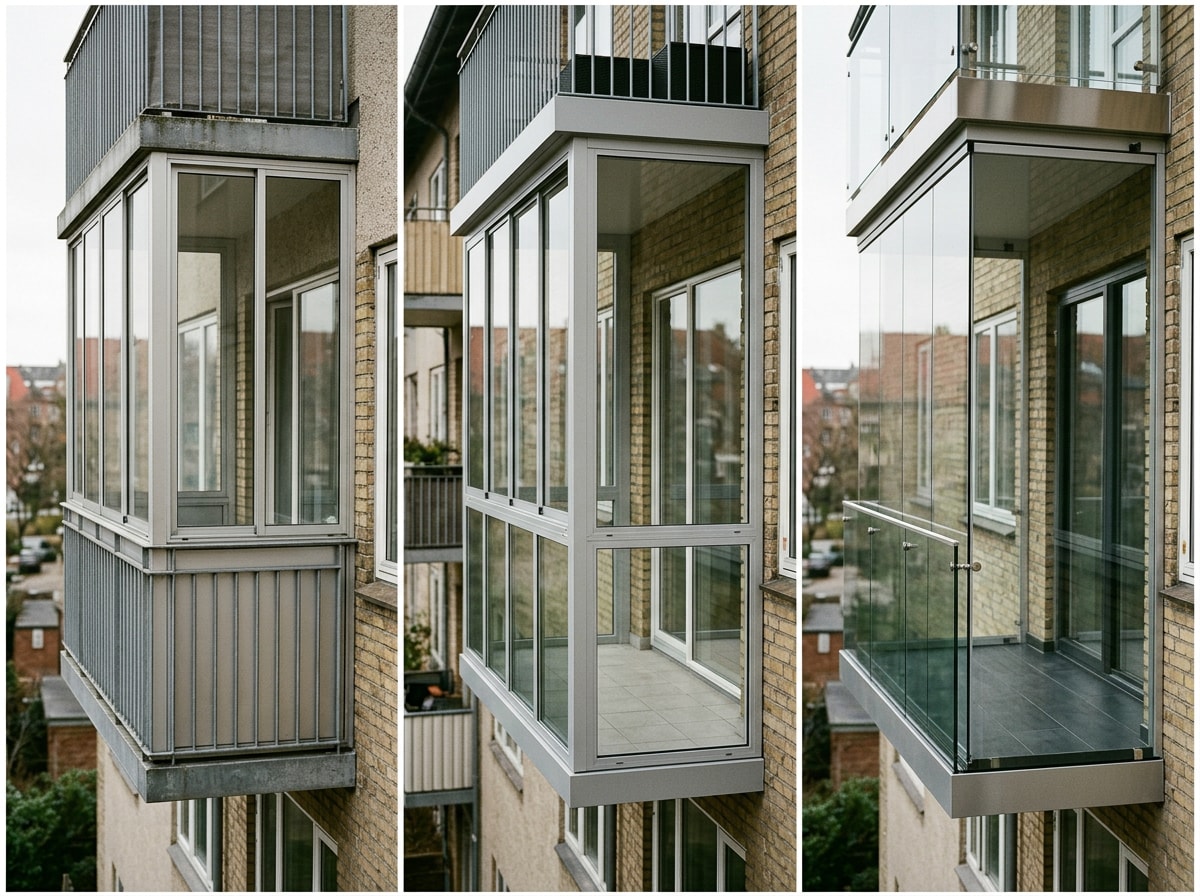
A glass balcony enclosure offers the clearest views and the most finished, room-like feel of any option. Frameless glass uses minimal hardware so sightlines stay open, while framed glass panels use a visible aluminum or steel frame for added rigidity and a lower price point. Glass is generally the premium choice because it handles wind, dust, and temperature swings better than screen or fabric systems. If you want a closer look at how a fully glazed add-on performs here, our glass room extension guide for Boulder City covers costs and styles in more depth.
Aluminum Framed Enclosures
Aluminum framed enclosures are often the long-term favorite because the material is naturally corrosion-resistant and holds up well against sun exposure without warping or rusting. A powder-coated finish adds color options and an extra layer of protection against UV fading, which matters in a climate with as much direct sun as southern Nevada sees most of the year.
Screen Enclosures
A balcony screen enclosure uses mesh panels, usually held in an aluminum frame, to block insects, wind-blown debris, and some sun glare while keeping airflow open. It's generally the most budget-friendly enclosure type that still counts as a semi-permanent structure rather than a temporary fix. Screen systems won't block wind or dust as completely as glass, but they cost less upfront and need very little maintenance beyond the occasional rinse.
Canvas or Fabric Enclosures
Canvas enclosure panels work well on south-facing balconies that need shade more than wind protection. A fabric enclosure is usually tension-mounted or rolled, which makes it a renter-friendly option since it rarely requires drilling into shared structural elements.
DIY Mesh Screens
DIY mesh screen kits sit at the lowest cost and lowest durability tier of any enclosure option. They're reasonable as a temporary fix for renters or anyone testing out the idea before committing to a bigger budget, but they aren't built to last through multiple seasons of desert heat and UV exposure.
Boulder City Permit and Legal Requirements
Most enclosure projects in Boulder City need a building permit, and the specifics depend on how permanent the structure is. The City's Building and Safety Division reviews plans for compliance with the adopted International Building Code and local amendments before issuing a permit.
Here's a detail most national guides skip: Boulder City's zoning code allows an open, unenclosed balcony to project into a required rear yard by up to four feet, and into a front or side yard by up to three feet, but that exemption only applies while the space stays open on at least three sides. Once you close it in with glass or solid panels, the structure generally has to meet standard setback rules like any other addition, which can affect how close to a property line a framed glass enclosure can sit.
Other factors that come up during review:
- HOA approval. Many Boulder City communities, including those in the historic district, require sign-off on exterior changes before you order materials.
- Egress requirements. If a balcony doubles as a secondary exit from a bedroom, enclosing it can trigger code review, since exterior egress balconies are required to stay substantially open under the International Building Code's means-of-egress provisions.
- Load and anchoring. Plans typically need to show footings, anchoring details, and wind-speed design values before a permit is approved.
Check current submittal checklists and permit status with the Boulder City Building and Safety Division before finalizing a design, and confirm the egress balcony provisions if your balcony serves a sleeping room. For help navigating local requirements on your property, our Boulder City, NV service area page is a good starting point.
Cost Factors: Budgeting for a Balcony Enclosure in 2026
Balcony enclosure cost in 2026 typically breaks into three tiers based on material and how permanent the structure is. Cost per square foot shifts with glazing type, enclosure size, and the quality of hardware and weather seals used.
| Enclosure Type | Typical Installed Cost | Best For |
|---|---|---|
| DIY mesh screen | Low hundreds | Renters, temporary setups |
| Canvas or fabric | Low hundreds to low thousands | Shade-focused, renter-friendly |
| Aluminum screen | Low to mid thousands | Airflow with light weather protection |
| Framed glass | Mid thousands to low five figures | Year-round comfort, finished look |
| Frameless glass | Upper thousands to well into five figures | Premium views, full-time room |
Labor accounts for a meaningful share of the total, especially on glass installations that require structural anchoring and weatherproof sealing. Local labor rates and material availability in southern Nevada will shift the final number more than any national average can predict, so requesting a free estimate is the most reliable way to budget for your specific balcony.
Why Boulder City Homeowners Install Balcony Enclosures
Homeowners enclose balconies for weather protection, privacy, and usable outdoor space that functions in more than one season. In Boulder City's desert climate, that means a shield against blowing dust, relentless wind, and sun that can make a balcony unusable by mid-morning.
Before committing to a system, think through a few practical questions:
- Do you rent or own? Renters generally need non-permanent options that don't alter the structure, while owners have more flexibility to go with framed glass or aluminum systems.
- Full-time room or seasonal upgrade? A year-round enclosure calls for different materials than something you'll only use a few months a year.
- What does your HOA allow? Many communities in the Boulder City area restrict exterior modifications, so check with your association before ordering materials.
Balconies and patios fall under the same general outdoor-living category, and our deck and patio builder team handles both new builds and enclosure add-ons for existing structures.
Choosing Materials for Desert Conditions
Material choice affects cost, durability, and how well an enclosure performs in Boulder City's heat. Tempered glass offers the best clarity and strength but costs more. Polycarbonate panels are lighter and more impact-resistant at a lower price. Aluminum mesh balances airflow with long-term corrosion resistance.
Thermal expansion is a real factor in a high-UV, high-heat desert environment. Materials that expand and contract significantly with temperature swings can loosen fasteners or warp over time. Tempered and laminated safety glazing used in these systems should meet recognized ANSI Z97.1 safety glazing standards, which set impact and testing requirements for architectural glass.
Glass orientation matters as much as glass type. For south- and west-facing enclosures, look for a low solar heat gain coefficient; federal guidance on window selection recommends low-SHGC glazing specifically for hot climate zones to cut unwanted solar heat.
Installation Process: Step-by-Step Overview
Professional installation generally follows the same sequence regardless of enclosure type:
- Site assessment to confirm the balcony's load-bearing capacity and check existing railing or slab conditions.
- Permit submittal, including site plans and anchoring details, if the project isn't exempt.
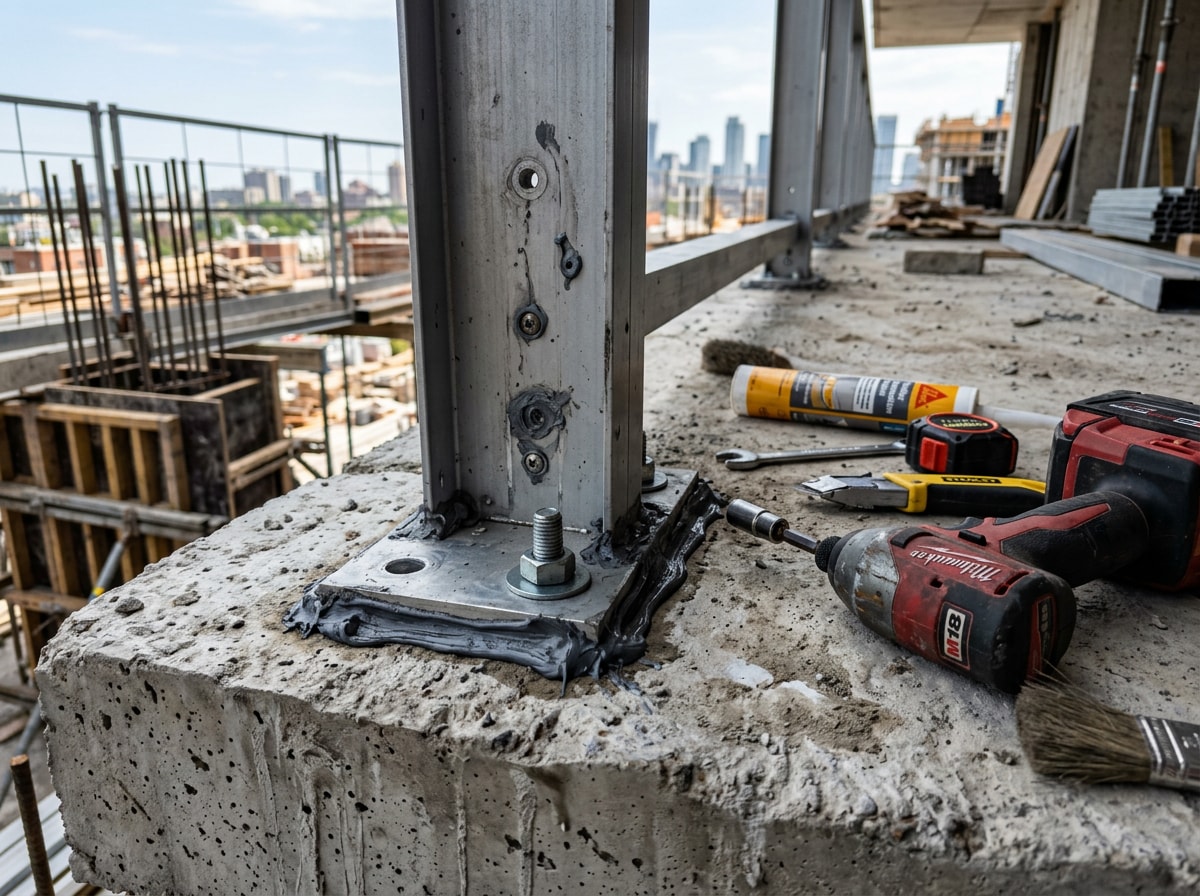
- Frame anchoring into the slab and adjacent walls or ceiling beams using weatherproof sealant.
- Panel fitting, where the glass, screen, or solid inserts are set into the frame.
- Final inspection, confirming anchoring, sealing, and any egress requirements are met.
Anything beyond a temporary DIY mesh screen should go through a licensed installer, since structural anchoring and weatherproof sealing affect both safety and long-term performance.
Design Tips From the Field
South-facing balconies benefit from UV-filtered or tinted glass, since untreated clear glass can turn an enclosed space into a greenhouse by early afternoon. On hillside lots near the lake, we've seen homeowners regret choosing standard clear tempered panels on a south exposure, only to retrofit tint or add operable vents a season later once the enclosure ran hot by late morning. Orientation should guide material choice as much as budget does.
Ventilation matters even in fully enclosed glass designs. Operable sections or hidden vents keep air moving and prevent heat buildup, which matters more in Boulder City than in milder climates. Browse our project gallery for examples of how these details come together on finished builds.
FAQ
What type of enclosure is best for a balcony?
The best type depends on budget, climate exposure, and whether you want a full-time room or a seasonal, renter-friendly fix. Glass suits long-term comfort and views, while screen or fabric options suit lighter budgets and temporary needs.
How much does it cost to enclose a balcony?
Costs range from a few hundred dollars for basic mesh screens to several thousand for mid-range aluminum and screen systems, and into five figures for framed or frameless glass enclosures. Size, glazing type, and labor all affect the final price.
Do you need a permit to enclose a balcony in Boulder City?
In most cases, yes. Permanent enclosures typically require a municipal building permit, and many communities also require HOA approval. Confirm requirements with the Boulder City Building and Safety Division before starting work.
Is it legal to enclose a balcony in Boulder City, NV?
Yes, with the right approvals. Open balconies get setback exemptions that disappear once the space is enclosed, so a permanent enclosure typically needs to meet standard setback, load, and egress rules like any other addition.
Can you enclose a balcony yourself?
Simple screen or fabric enclosures can often be a DIY project, especially for renters. Glass and structurally framed systems should be installed by a professional to meet safety and code requirements.
How do you keep a desert balcony enclosure cool in summer?
Pair low-SHGC or tinted glazing with operable vents or louvers to let hot air escape. South- and west-facing enclosures benefit most from this combination, since they take the most direct afternoon sun.
Does enclosing a balcony add value to your home?
Enclosing a balcony can add usable living space, improved privacy, and better weather protection. The actual return depends on the enclosure type, material quality, and local market conditions.
---
This guide was written by the team at Fairless Homes, a general contractor serving Boulder City and the greater Clark County area. Our crews have built and remodeled outdoor living spaces on Boulder City's hillside lots, where sun orientation and wind exposure drive more of the enclosure decision than budget alone. Questions about your specific balcony? Contact us for a free estimate.